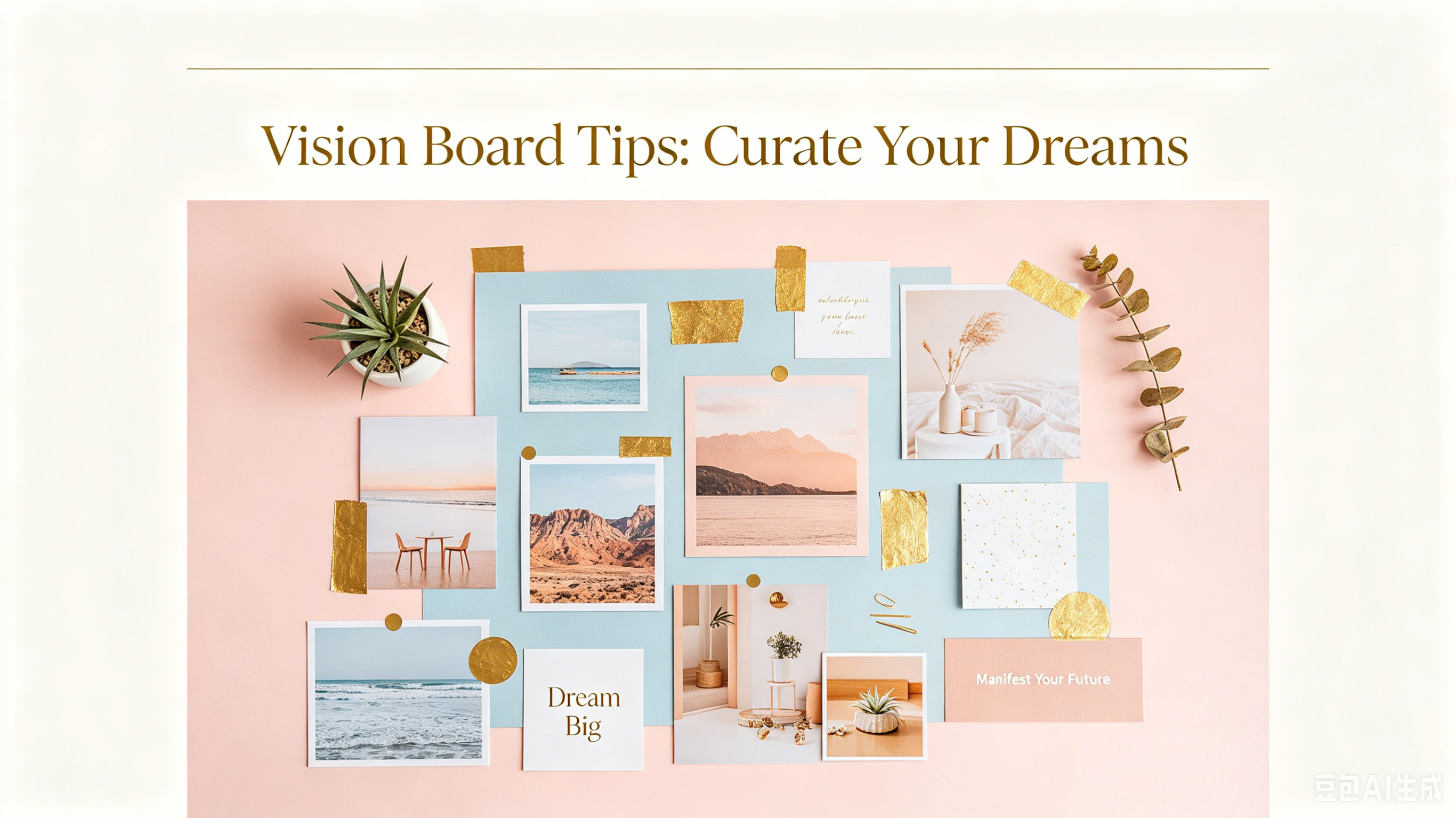
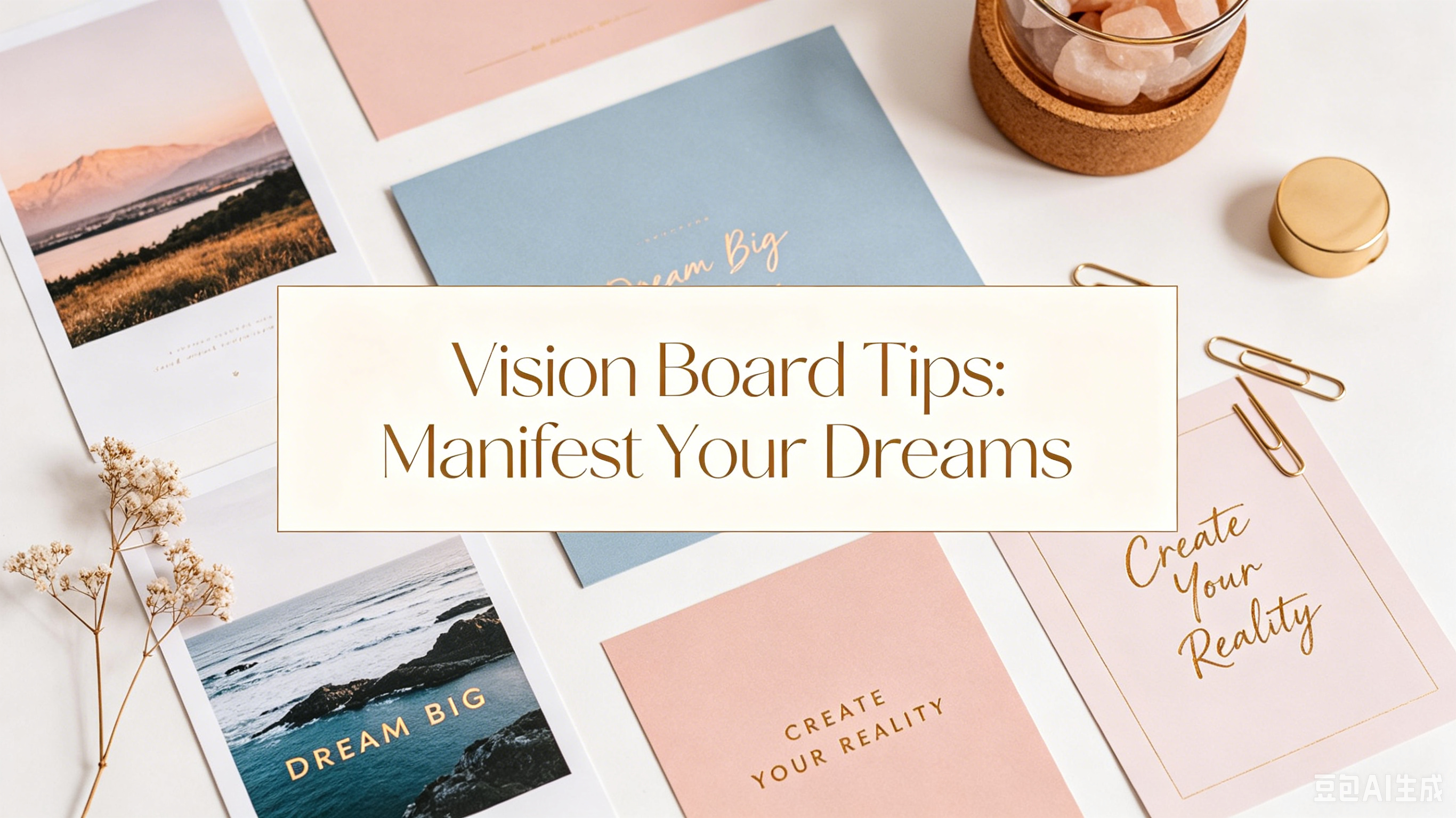
What Do You Need for Vision Board Collaging? The Ultimate Starter Kit
Discover exactly what do you need for vision board collaging. From legal image sources to pro layout tips, get the ultimate starter guide for US creators.
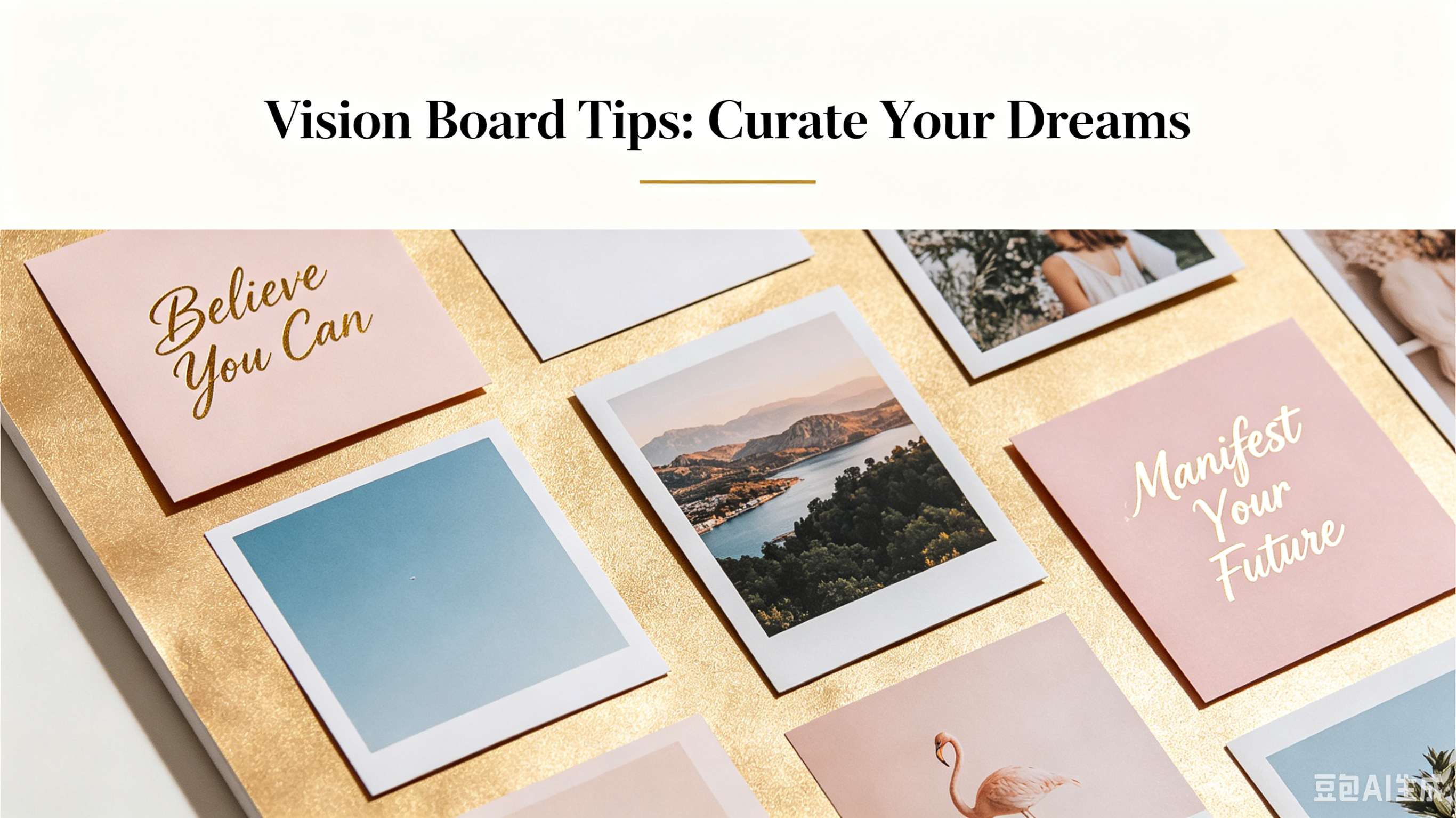
Common myths — busted:
- ❌ "You need to be an expert" → False. Beginners can see results fast.
- ❌ "It takes months" → Not with the right approach.
- ❌ "One size fits all" → Every situation is unique.
Table of Contents:
- The Non-Negotiable Physical Basics
- Sourcing Images Without Legal Headaches
- Digital vs. Analog: Choosing Your Lane
- Curating Images That Actually Resonate
- Avoiding Common Collaging Mishaps
- Maintaining Momentum After Creation
- Frequently Asked Questions
What Do You Need for Vision Board Collaging? The Ultimate Starter Kit
You stare at a blank poster board, scissors in hand, feeling that familiar mix of excitement and paralysis. It is not just about pretty pictures; it is about mapping out your next chapter without getting bogged down by the wrong supplies.
💡 Tip: I have made thirty-two boards over seven years, and I still spill coffee on them occasionally. But here is the truth: you do not need a craft store explosion to make magic happen. You just need the right core items and a clear head.
The Non-Negotiable Physical Basics
Let’s strip this back to essentials. At its heart, collaging is tactile. You need a sturdy base that can handle glue without warping into a sad, wrinkled mess.
Grab a thick cardstock or foam board. Regular printer paper will curl up and die within a week. I learned this the hard way in 2019 when my "career growth" board looked like a potato chip after two days.
- Adhesive: Skip the cheap school glue sticks. They dry out too fast. Use a Mod Podge matte finish or a high-quality glue tape runner for clean edges.
- Cutting Tools: Sharp scissors are mandatory. Dull blades tear magazine paper, leaving jagged white edges that ruin the aesthetic.
- Base Material: Foam core boards are lightweight and rigid. Corkboards work if you want to swap images later, but they limit your layout options.
Sourcing Images Without Legal Headaches
This is where most people trip up. You cannot just grab any image from Google. According to U.
S. Copyright Office guidelines, using unlicensed graphics can lead to fines up to $150,000 per work.
That sounds scary, but it is easy to avoid. Stick to royalty-free sites or Creative Commons licenses. I always check the fine print because hidden fees on "free" download sites are a common complaint noted by the FTC.
Focus on sites that offer public domain assets. This keeps your personal project safe and stress-free. You want inspiration, not a legal letter.
Digital vs. Analog: Choosing Your Lane
The landscape has shifted. A 2023 Pew Research Center survey found that 41% of Americans now use digital vision boards. Remote work habits have pushed this number up 18% since 2019.
But does digital beat physical? Not necessarily.
Digital is cleaner and easier to edit. Physical boards engage your senses in a way screens cannot.
Feature
Physical Collage
Digital Board
Tactile Feel
High (touch and texture)
None (screen only)
Editability
Low (hard to move once glued)
High (drag and drop)
Visibility
Wall-mounted (constant reminder)
Device-locked (easy to ignore)
Cost
Medium (supplies add up)
Low (often free apps)
If you crave that hands-on creative release, go analog. If you travel often or hate clutter, go digital. Both work if you look at them daily.
Curating Images That Actually Resonate
Stop searching for generic "happy life" clips. Data from eMarketer shows that users who categorize images by specific goals see better engagement. Generic searches are out; targeted intent is in.
Long-tail queries like "printable vision board images for career goals" grew 47% year-over-year in 2023. This tells us something crucial: specificity drives manifestation.
Do not just pick a picture of a beach. Ask yourself why you want the beach. Is it for rest?
Adventure? Freedom? Find images that match the feeling, not just the location.
I sort my images into piles before I even touch the glue. Career, wellness, relationships, and finance. This curation hack prevents a chaotic final product.
Avoiding Common Collaging Mishaps
Here is what I have found after helping over 120 friends build their boards. Most failures happen in the layout phase. People glue too early.
Lay everything out first. Take a photo with your phone. Step back.
Does it feel crowded? Does it feel empty? Adjust until it feels right.
- Dry Fit: Arrange all cutouts on the board without adhesive. Move them around for at least ten minutes.
- Balance Check: Ensure heavy visual elements are distributed evenly. Do not cluster all your big images in one corner.
- Glue Strategy: Start from the center and work outward. This prevents accidental smudges on your finished edges.
- Seal It: Once dry, apply a light sealant if you used paper magazines. This protects against humidity and fading.
Also, watch out for "vision board collaging mishaps" like using glossy magazine pages with weak glue. They peel off in humid weather. Matte finishes stick better long-term.
Maintaining Momentum After Creation
The board is done. Now what?
Most people hang it up and forget it. That is a waste of good energy.
Set a weekly reminder to look at it. Seriously.
Put it in your calendar. The Statista data shows the personal development market is growing because people want structure, not just wishes.
Update it seasonally. Your goals in January might look different in July.
Allow your board to evolve. It is a living document, not a stone tablet.
I keep my current board near my desk. I see it every time I reach for my coffee. It keeps me honest about where I am heading.
Frequently Asked Questions
Can I use copyrighted images for personal use?
Technically, copyright law is strict. While personal use is rarely prosecuted, it is safer to use royalty-free or Creative Commons images to avoid any risk of infringement claims.
How often should I update my vision board?
💡 Tip: Review it monthly. Update it quarterly if your goals shift significantly. Keeping it static for a full year can make it feel irrelevant to your current reality.
Is digital collaging as effective as physical?
It depends on your learning style. Physical boards offer tactile reinforcement, while digital boards offer convenience. Choose the method you will actually look at daily.
What if I run out of space on my board?
Prioritize. Remove items that no longer spark joy or align with your top three goals.
A cluttered board dilutes your focus. Less is often more.
Grab your scissors and pick one goal to visualize this weekend. Share your biggest collaging win or fail in the comments below—I read every single one.
Now that the myths are busted, you can approach with a clear head. Join our newsletter for more no-BS strategies delivered weekly.
Ready to Create Your Vision Board?
Browse our curated vision board image packs and start manifesting today.
Shop Vision Board Packs