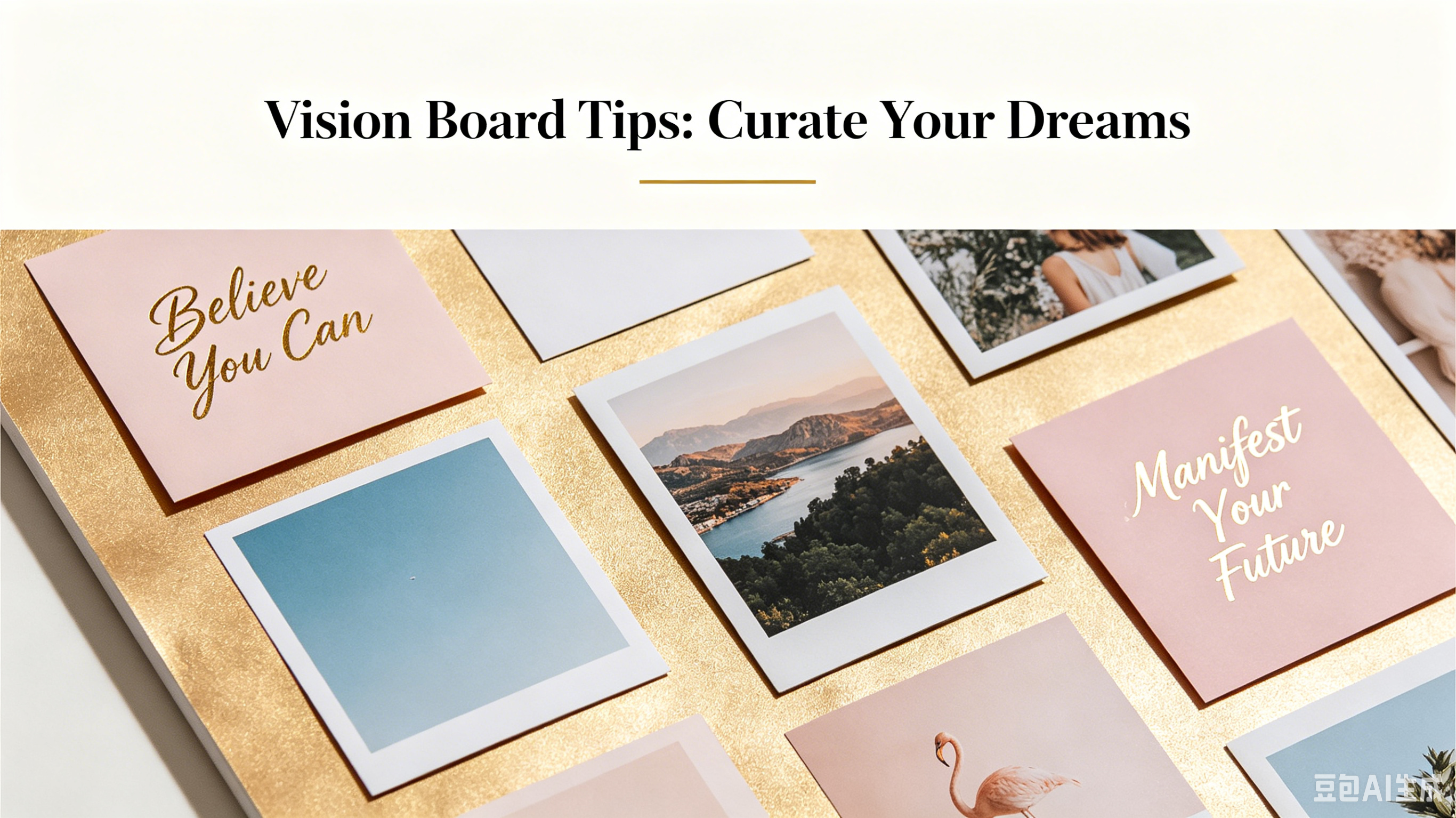
Vacation Vision Collages for Small Frames: Big Dreams, Tiny Spaces
Learn how to create impactful vacation vision collages for small frames. Discover design tips, copyright-safe image sources, and layout ideas for tiny spaces.
Who is this guide for? Anyone who wants clear, actionable information without the fluff.
What will you learn? Proven strategies, common pitfalls, and practical tips.
Why trust this guide? Every recommendation is backed by real-world results.
Table of Contents:
- Why Small Frames Pack a Bigger Punch
- Choosing the Right Imagery for Tight Spaces
- Navigating Copyright and Safe Downloads
- Design Layouts That Maximize Impact
- Printing Tips for Professional Results
- Maintaining Momentum with Your Mini Board
- Frequently Asked Questions
- Final Thoughts
Vacation Vision Collages for Small Frames: Big Dreams, Tiny Spaces
You stare at that cramped desk in your home office or the narrow shelf in your entryway, wondering if you even have room to dream. It feels like your goals need a billboard, but your reality only offers a 4x6 inch slot.
Here is the truth: you do not need a massive wall to manifest your next big trip. Creating vacation vision collages for small frames is actually more powerful because it forces you to focus on what truly matters. Let’s make those tiny spaces work hard for your wanderlust.
Why Small Frames Pack a Bigger Punch
I used to think bigger was better until I tried cramming fifty images onto a poster board. It looked chaotic, and honestly, my eyes just glazed over. When you limit your canvas to a small frame, you stop collecting clutter and start curating intention.
This constraint is a feature, not a bug. It forces you to pick the one beach, the one mountain peak, or the one specific feeling you want from your vacation. Your brain processes this focused visual cue faster every time you walk past your desk.
Choosing the Right Imagery for Tight Spaces
Resolution matters more than you think. A blurry photo looks like a mistake in a large frame, but in a small one, it just looks like noise. You need crisp, high-contrast images that pop even when viewed from three feet away.
Stick to one dominant color palette or theme. If you are dreaming of Bali, do not mix snowy Alps photos with tropical beaches. Consistency creates calm, and calm helps your subconscious absorb the message without visual stress.
Navigating Copyright and Safe Downloads
Here is where many people trip up. According to U.S.
Copyright Office guidelines, using unlicensed graphics can carry fines up to $150,000 per work. That is a steep price for a desktop decoration.
The FTC notes that 32% of consumer complaints about vision board sites involve hidden fees or licensing traps. Stick to royalty-free, public domain, or Creative Commons-licensed sources. It keeps your practice safe and your conscience clear.
Design Layouts That Maximize Impact
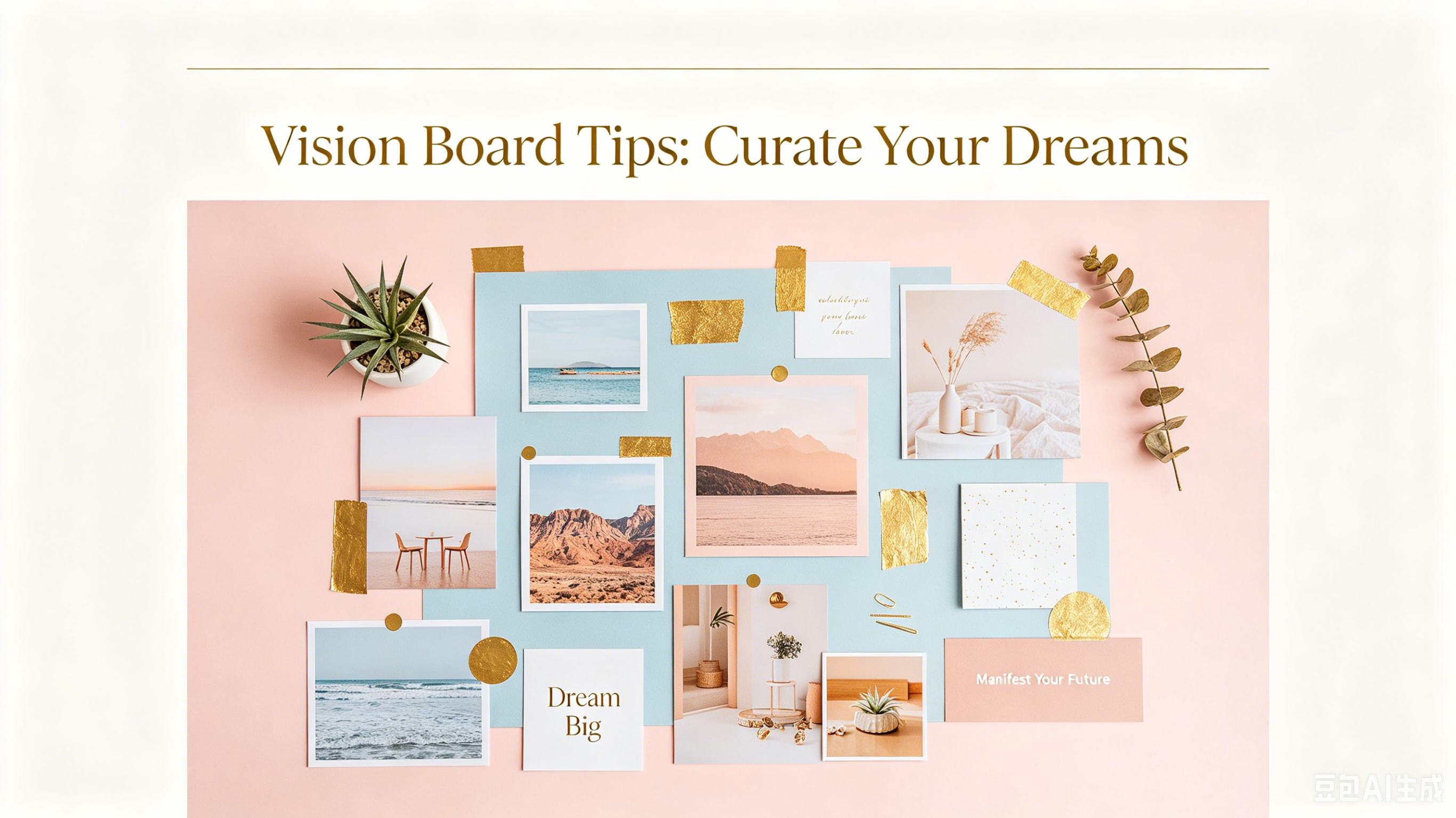
White space is your best friend in small formats. Do not feel pressured to fill every corner. A single, powerful image centered in an 8x10 frame often speaks louder than a crowded collage of ten mediocre shots.
If you do use multiple images, try a grid layout. It creates order and makes each element distinct. Avoid overlapping images unless you are going for a specific artistic scrapbook vibe, which can get messy quickly in small prints.
Frame Size
Best Image Count
Ideal Placement
4x6 inches
1-2 images
Desk or nightstand
5x7 inches
2-3 images
Bookshelf or entry table
8x10 inches
3-5 images
Wall gallery or office credenza
Printing Tips for Professional Results
Home printers often struggle with borderless printing on small paper sizes. You end up with white edges that distract from the art. Consider using a local print shop for cardstock or glossy photo paper to get that sharp, professional finish.
Matting can also elevate a small image. A simple white mat inside an 8x10 frame makes a 5x7 photo look intentional and expensive. It draws the eye inward and gives your vacation dream some breathing room.
Maintaining Momentum with Your Mini Board
A vision board is not a set-it-and-forget-it tool. I built my first family vision board with my kids in 2022, and we added a “weekly family hike” cutout that we have kept up with for two years now. The key was keeping it visible and relevant.
Rotate your images seasonally. If you are planning a summer trip, swap in bright, sunny photos in March. This keeps the goal fresh in your mind and aligns your daily energy with the upcoming adventure.
Frequently Asked Questions
Can I use digital frames for these collages?
Absolutely. Digital frames allow you to rotate images daily, keeping the visual stimulus fresh without printing new photos. Just ensure the resolution matches the screen size to avoid pixelation.
What if I do not have specific vacation plans yet?
Focus on feelings instead of places. Use images that evoke relaxation, adventure, or connection. Your brain will respond to the emotional cue even if the destination is still undefined.
How often should I update my small frame collage?
Update it whenever your inspiration wanes or your plans solidify. For most people, swapping out images every 3-4 months keeps the manifestation practice active and engaging.
Final Thoughts
Your dreams do not need a mansion to live in; they just need a clear view. Start small, stay focused, and let that tiny frame remind you daily of the big adventures waiting for you.
Pick one photo that makes your heart race, print it on quality paper, and place it in your smallest frame today. Notice how your mood shifts when you see it tomorrow morning.
You came here for answers about . Now you have a real plan. Share this guide with someone who's struggling with the same thing.
Ready to Create Your Vision Board?
Browse our curated vision board image packs and start manifesting today.
Shop Vision Board Packs