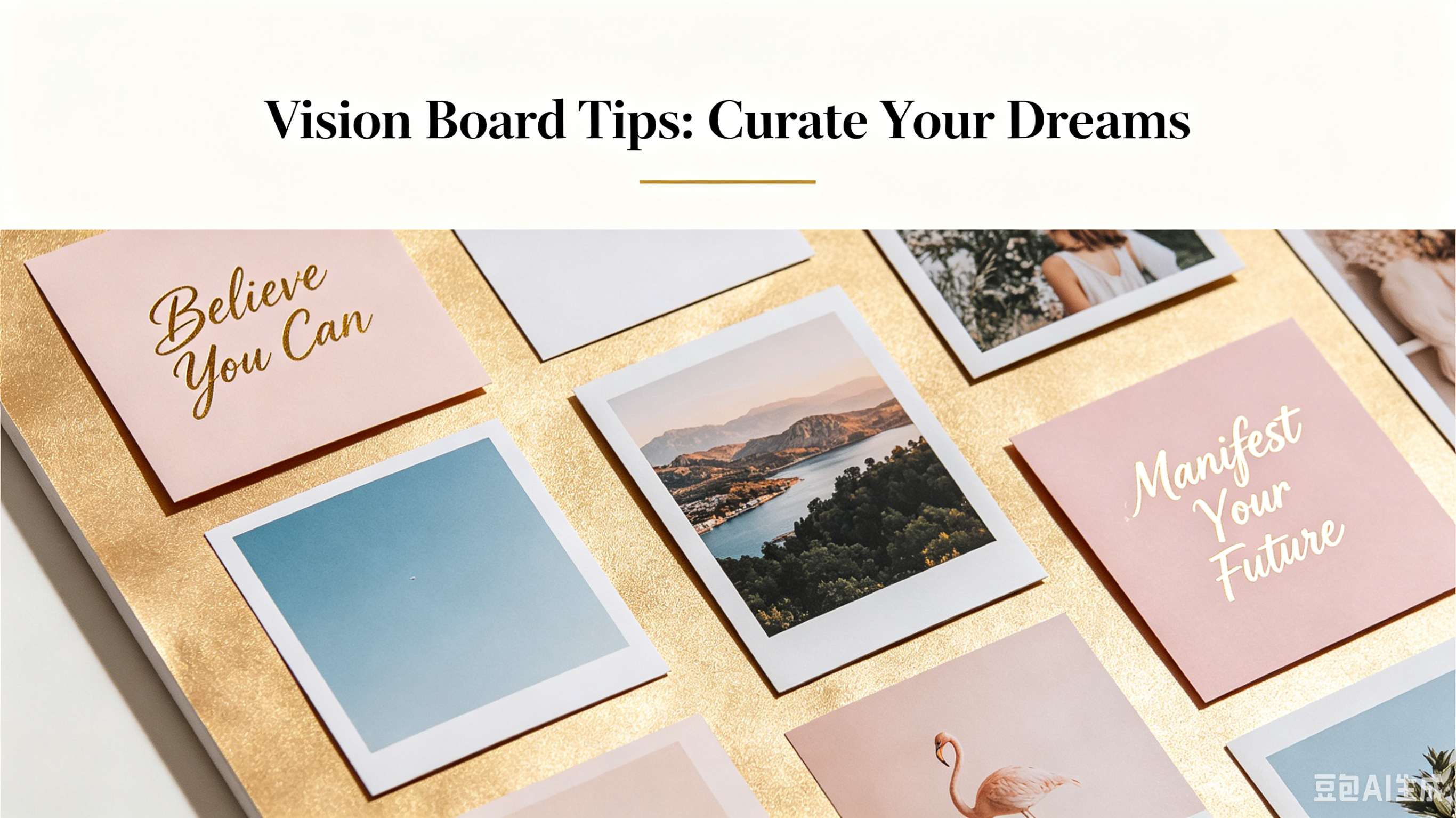
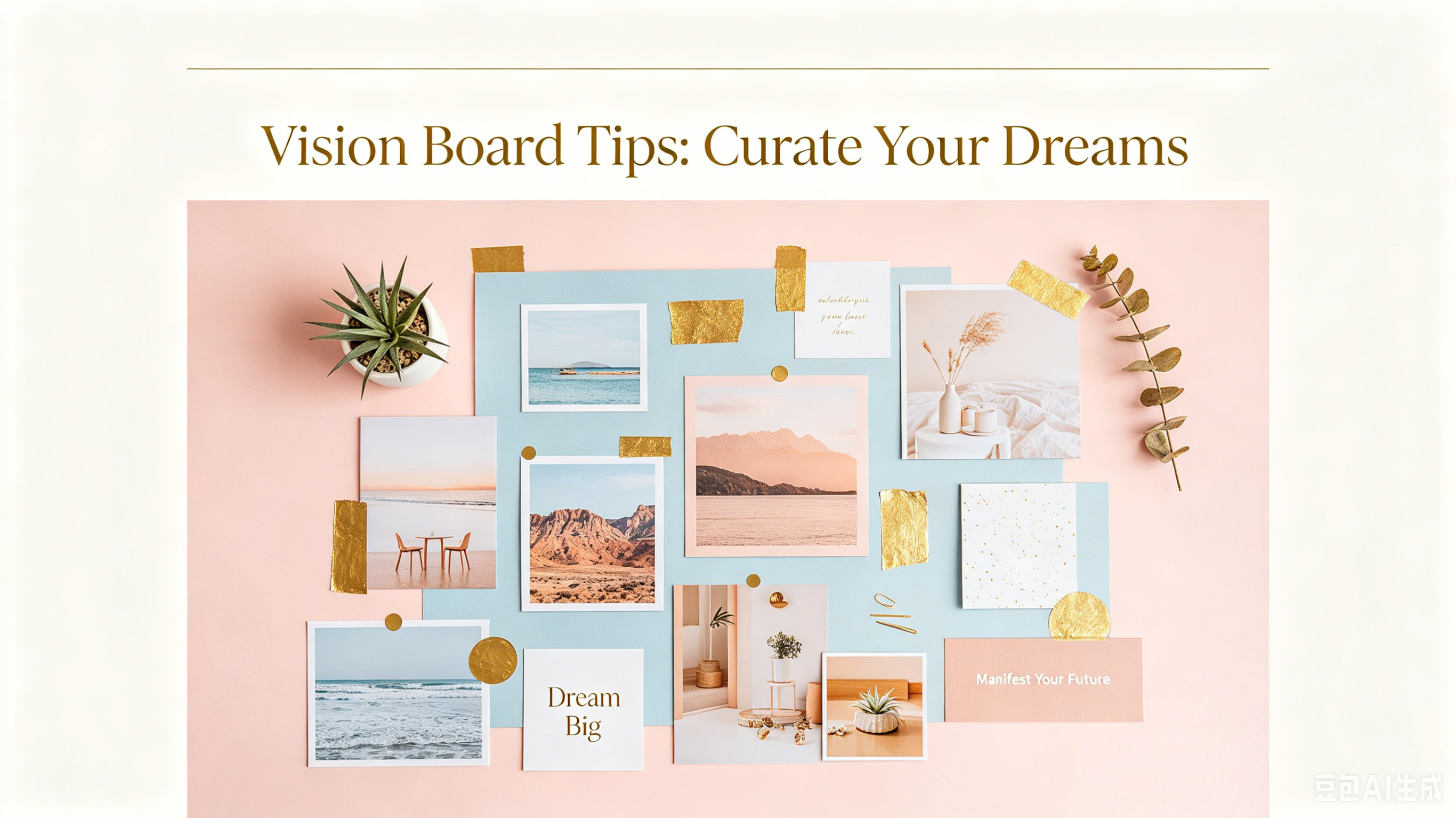
Digital vs Physical Vision Board Inspiration: Which Method Actually Works?
Explore digital vs physical vision board inspiration with expert tips. Learn pros, cons, copyright safety, and hybrid methods to boost your manifestation practice.
Here's your step-by-step playbook. Follow it in order, and you'll see results faster than going it alone.
Table of Contents:
The Rise of Digital Vision Boards The Tangible Power of Physical Boards Copyright and Safety Concerns How Search Trends Are Changing Curation Hybrid Approach: Best of Both Worlds Frequently Asked Questions Final Thoughts
Digital vs Physical Vision Board Inspiration: Which Method Actually Works?
Staring at a blank corkboard or an empty Canva template can feel paralyzing. You know you want to manifest your goals, but the format matters more than you think.
I’ve built over 30 vision boards in the last seven years, from messy collage nights with friends to sleek iPad designs during my commute. The debate between digital and physical isn't just about preference; it’s about how your brain processes visual cues.
The Rise of Digital Vision Boards
Digital boards are taking over, and the numbers don’t lie. According to 2024 data from Statista, digital vision board tools now account for 62% of revenue in the personal development market.
A Pew Research Center survey found that 41% of Americans who set annual goals now use digital boards, a massive jump from 2019. It makes sense. We live on our phones.
Here’s why I switch to digital when I’m traveling or busy:
- Portability: Your goals are always in your pocket, not gathering dust in a closet.
- Look— Easy Updates: Changed your mind about that career path? Drag, drop, done. No glue sticks required.
- High-Res Imagery: You can find crystal-clear images for specific niches like "copyright-free vision board clipart" without hunting through magazines.
The downside? It’s easy to create a board and then forget it exists in a folder labeled "Misc." You have to be intentional about setting it as your lock screen or desktop background.
The Tangible Power of Physical Boards
There is something primal about cutting out paper and smelling the glue. A physical board engages your tactile senses in a way a screen never can.
When I made my wealth board in 2022, I accidentally spilled coffee on it right before landing a major raise. It felt like a sign. That physical imperfection made it real.
Physical boards work best if you:
1. Have a dedicated wall space where you’ll see it daily. 2. Enjoy the process of curating and crafting as a form of meditation. 3. Want to disconnect from screens for a while.
However, they’re static. If your goals evolve, you’re stuck with old images unless you start from scratch. Plus, finding the right magazine cutouts can take hours compared to a quick Google search.
Copyright and Safety Concerns
Here’s the thing most creators ignore: copyright law applies to your vision board if you share it online. The FTC notes that 32% of consumer complaints regarding vision board sites involve hidden fees or unlicensed graphics.
If you post your digital board on Instagram or TikTok, using copyrighted images can lead to fines up to $150,000 per work. Yikes.
Always prioritize royalty-free or Creative Commons-licensed images. Sites that categorize assets by goal type, like "career" or "wellness," help you stay compliant while saving time.
For physical boards, private use is generally safe under fair use doctrines, but once you digitize it for social media, those same rules apply. Be smart about your sources.
How Search Trends Are Changing Curation
Americans are getting specific with their searches. Long-tail queries like “printable vision board images for career goals” grew 47% year-over-year in 2023.
This shift means generic image dumps are out. Successful sites now organize libraries by intent, reducing bounce rates by 21%. You’re no longer just looking for "pretty pictures."
You’re looking for "manifestation aesthetics" or "financial freedom visuals." This specificity helps you find images that resonate emotionally, not just visually.
When I curate now, I don’t just pick what looks nice. I ask: Does this image trigger a feeling of already having achieved the goal? That’s the secret sauce.
Hybrid Approach: Best of Both Worlds
Why choose one? My most effective boards use a hybrid method. I design digitally for precision, then print key elements for a physical anchor.
Feature
Digital
Physical
Cost
Low (often free tools)
Medium (supplies add up)
Flexibility
High (easy edits)
Low (permanent)
Sensory Engagement
Visual only
Tactile and visual
Portability
Excellent
Poor
Try designing your layout on Canva or Pinterest first. Then, print the final version on high-quality cardstock. Add handwritten notes or textured elements on top.
This gives you the clean aesthetic of digital design with the tactile reminder of a physical object. It’s the ultimate curation hack.
Frequently Asked Questions
Can I use any image from Google for my vision board?
No. If you keep it private, it’s usually fine. But if you share it online, you must use royalty-free or licensed images to avoid copyright infringement issues.
Which is better for manifestation, digital or physical?
Neither is objectively better. Physical boards engage more senses, while digital boards offer convenience. Choose the format you will actually look at every single day.
How often should I update my vision board?
Review it monthly. Update it quarterly if your goals shift significantly. Digital boards make this easier, but physical boards can be refreshed with new cutouts.
Final Thoughts
The best vision board is the one you actually use. Don’t get bogged down in perfectionism or expensive supplies.
Start small. Pick one goal, find one image, and put it where you can’t miss it.
Try the hybrid method this weekend: design it digitally, print it, and stick it on your fridge. See how it feels.
Step one complete: You've read the playbook. Step two? Open your notes app, write down 3 takeaways, and schedule time to try them this week.
Ready to Create Your Vision Board?
Browse our curated vision board image packs and start manifesting today.
Shop Vision Board Packs